01
Healthy Plants
Propagation of healthy selected female cultivars (disease and pest-free), Bayoud resistant cultivars.

Process
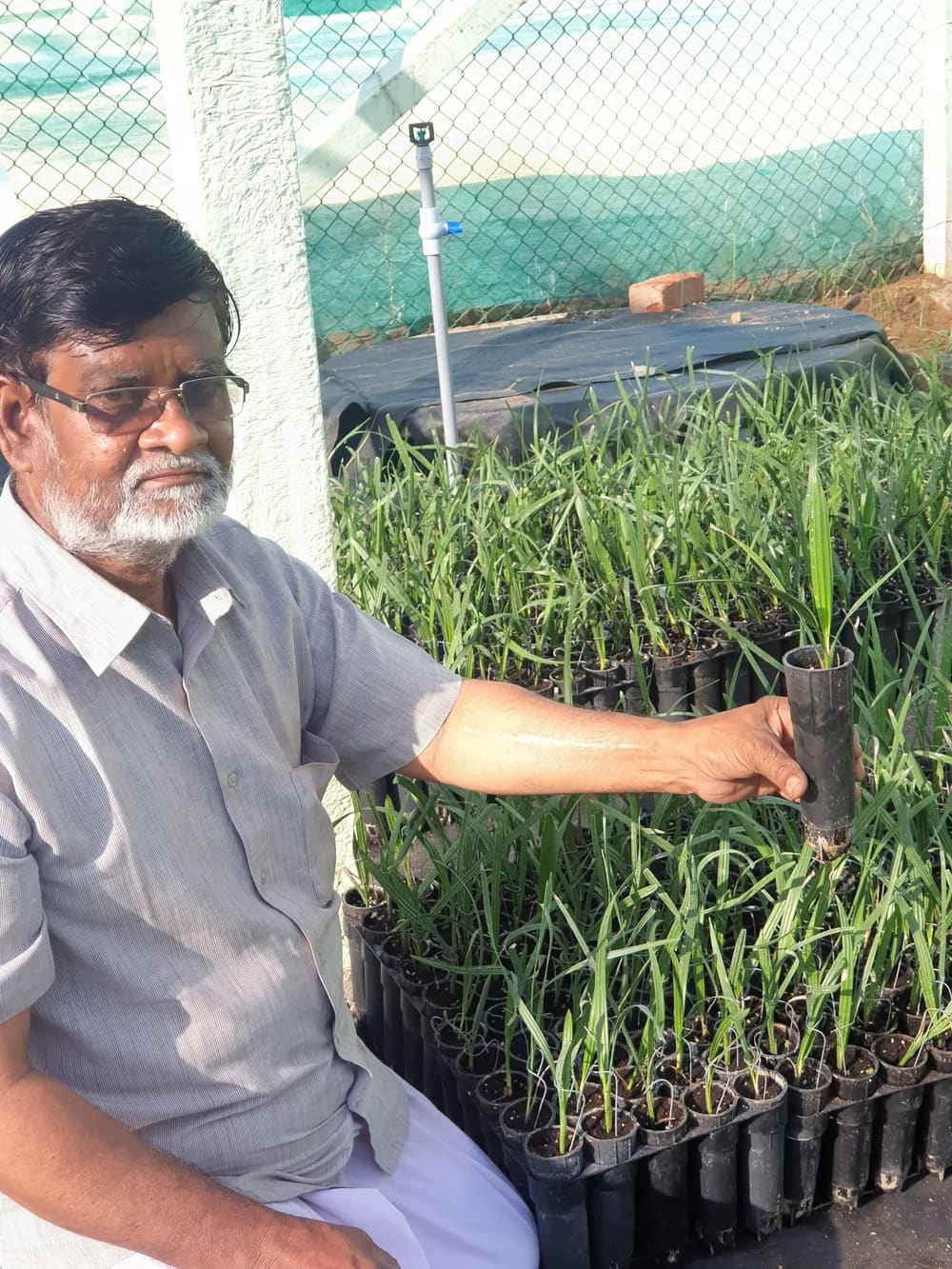
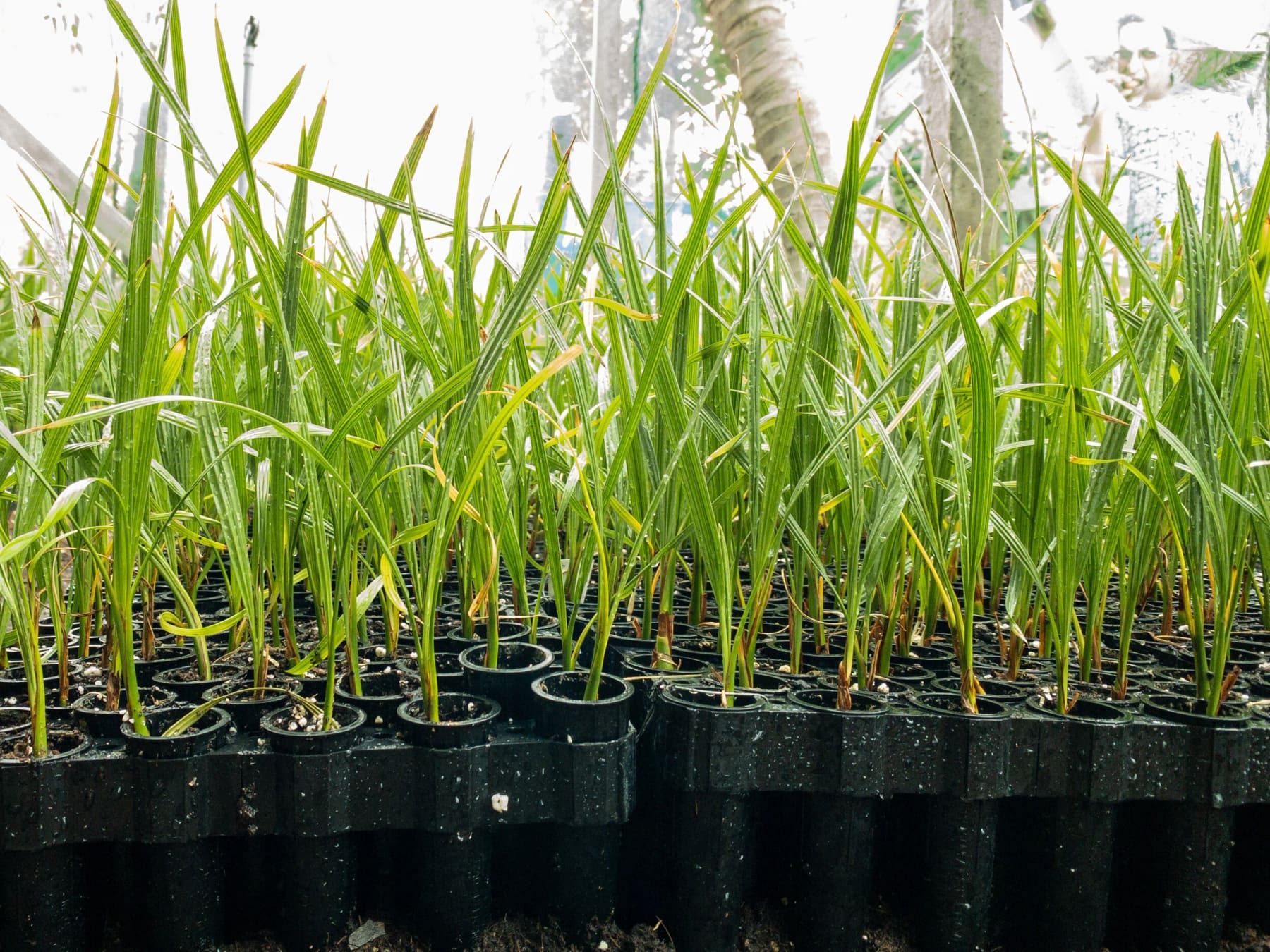
Traditional propagation by offshoots is inefficient to satisfy current demands for date palm trees. Alternatively, tissue culture provides an efficient means for large-scale propagation of date palm cultivars. The cells of the explant undergo rapid multiplication, ultimately producing many young date palm plantlets, where all the plantlets are genetically identical to the desired mother palm.
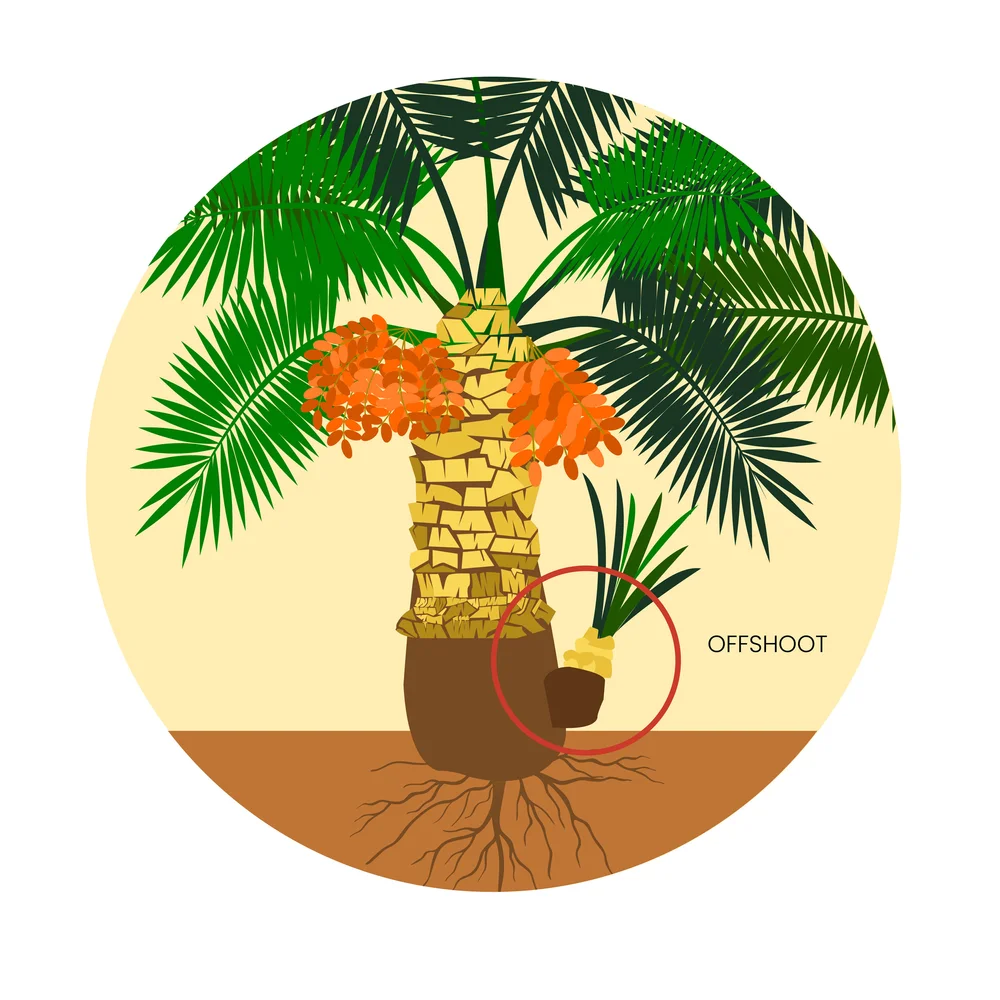
Like in banana plants, offshoots will be coming out from the mother plant of date palm plants. Offshoot from a well grown mother plant with good yield will be selected. By selecting a male plant, all the plants produced from tissue culture will be male. By selecting female, all the plants will be female.

The apical meristem tip from the offshoot of the selected plant is taken. The explant (tissue from offshoot) is cut into small pieces and transferred onto a specified growth medium in a closed container.
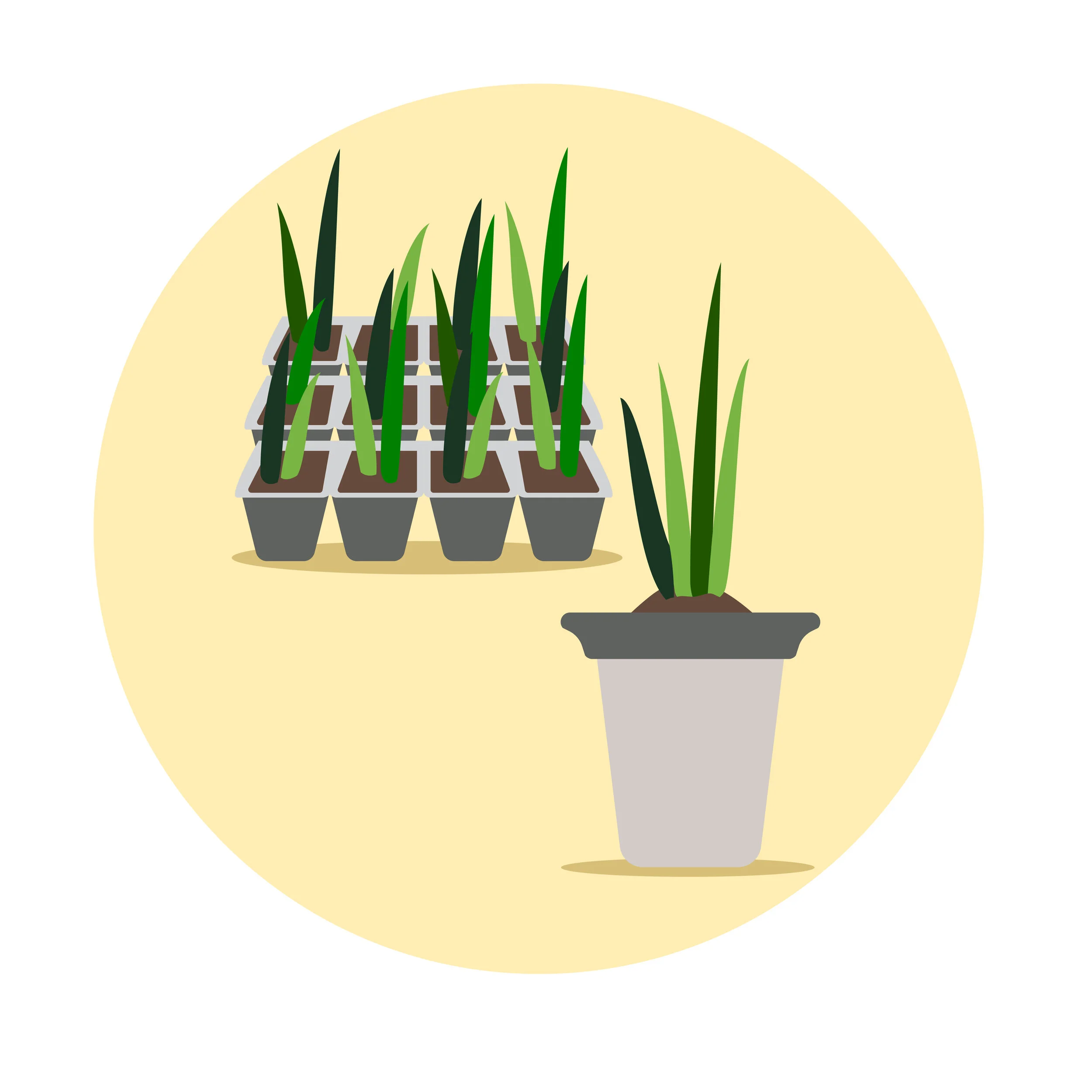
After the tissue grows, the plantlets will develop roots. In total, it takes three years to grow in a lab.
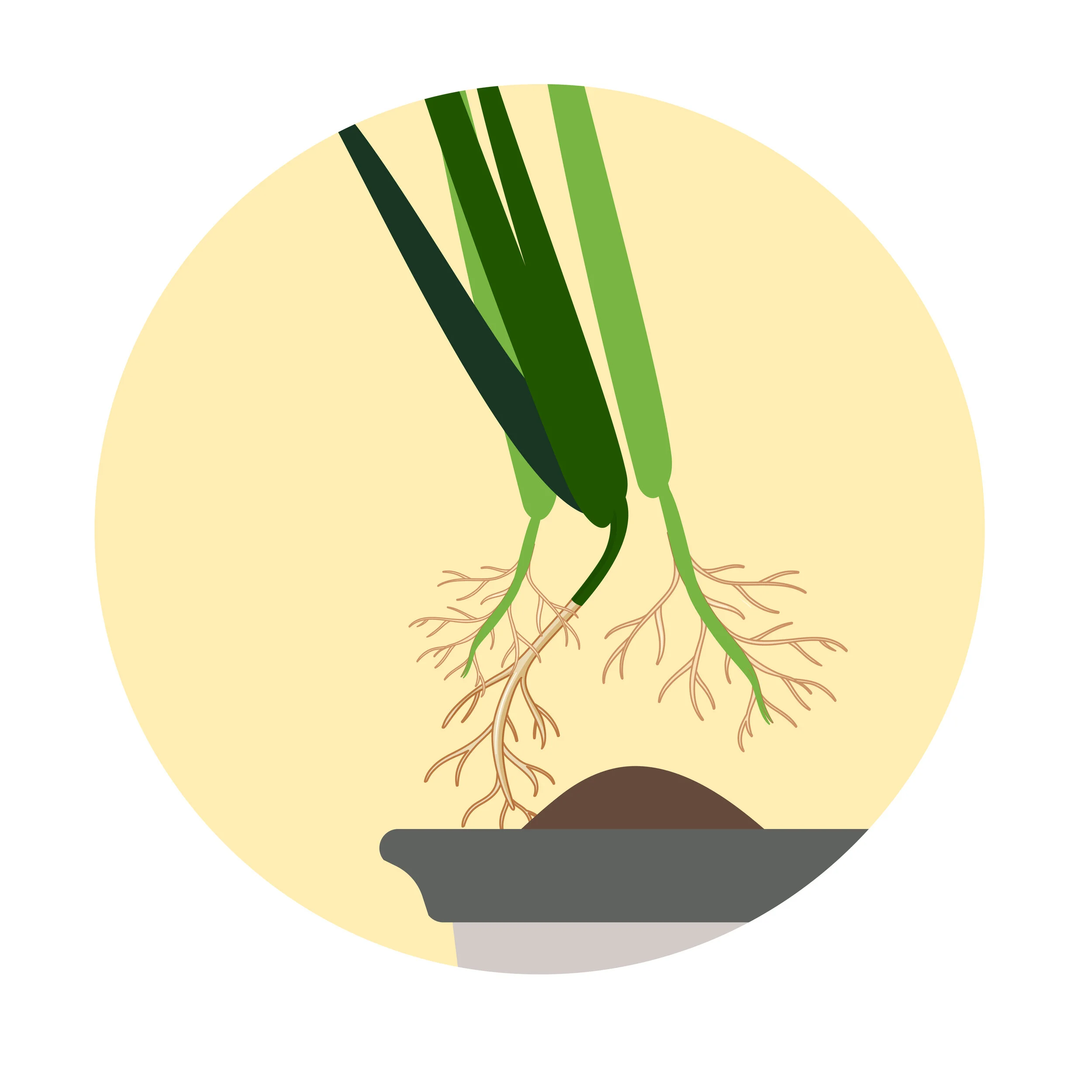
Once it successfully initiated, the tissue grows and then develops into many tiny plantlets, which are identical to the donor date palm plant.
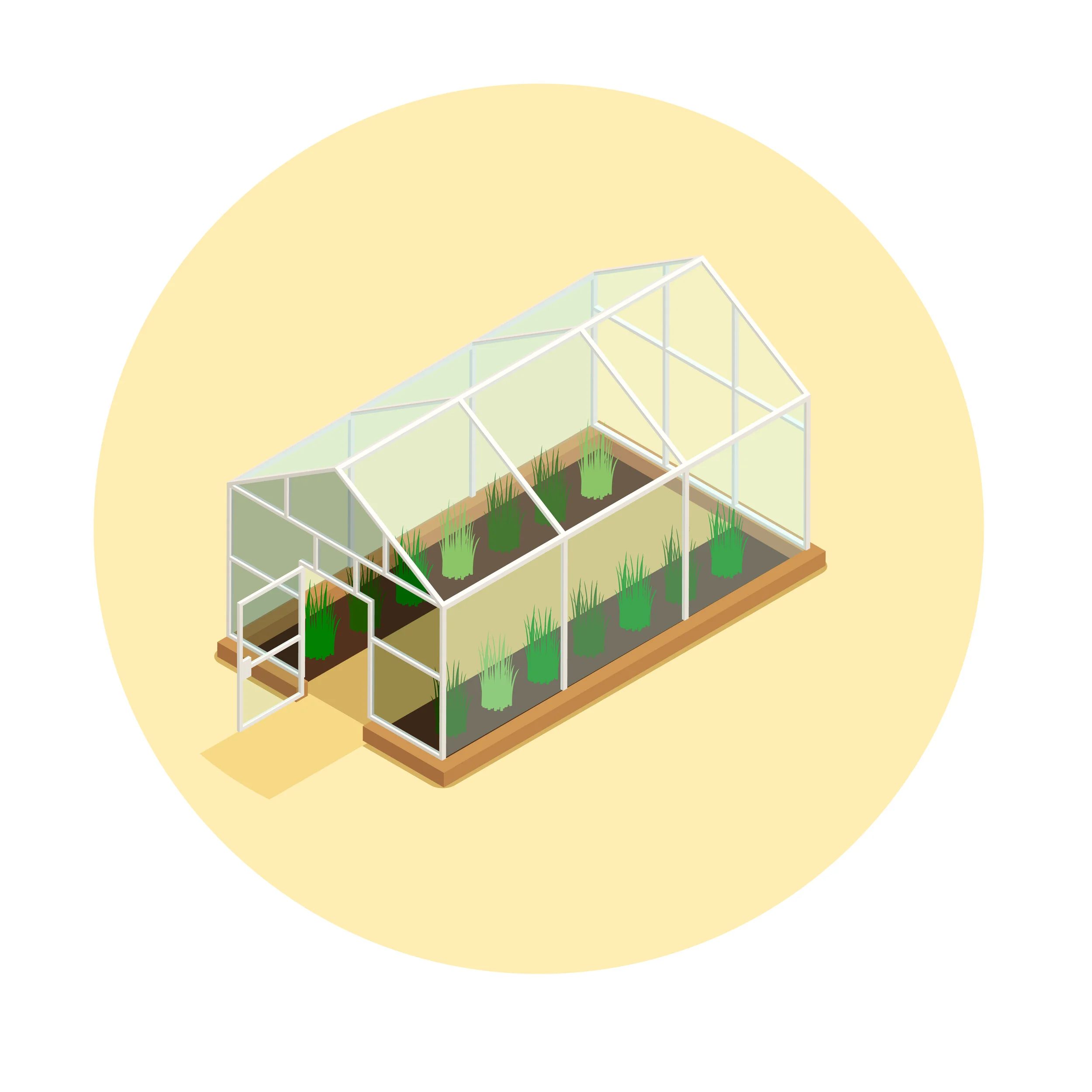
Plantlets received from a laboratory are transferred to a green house for hardening. It takes one year for hardening.
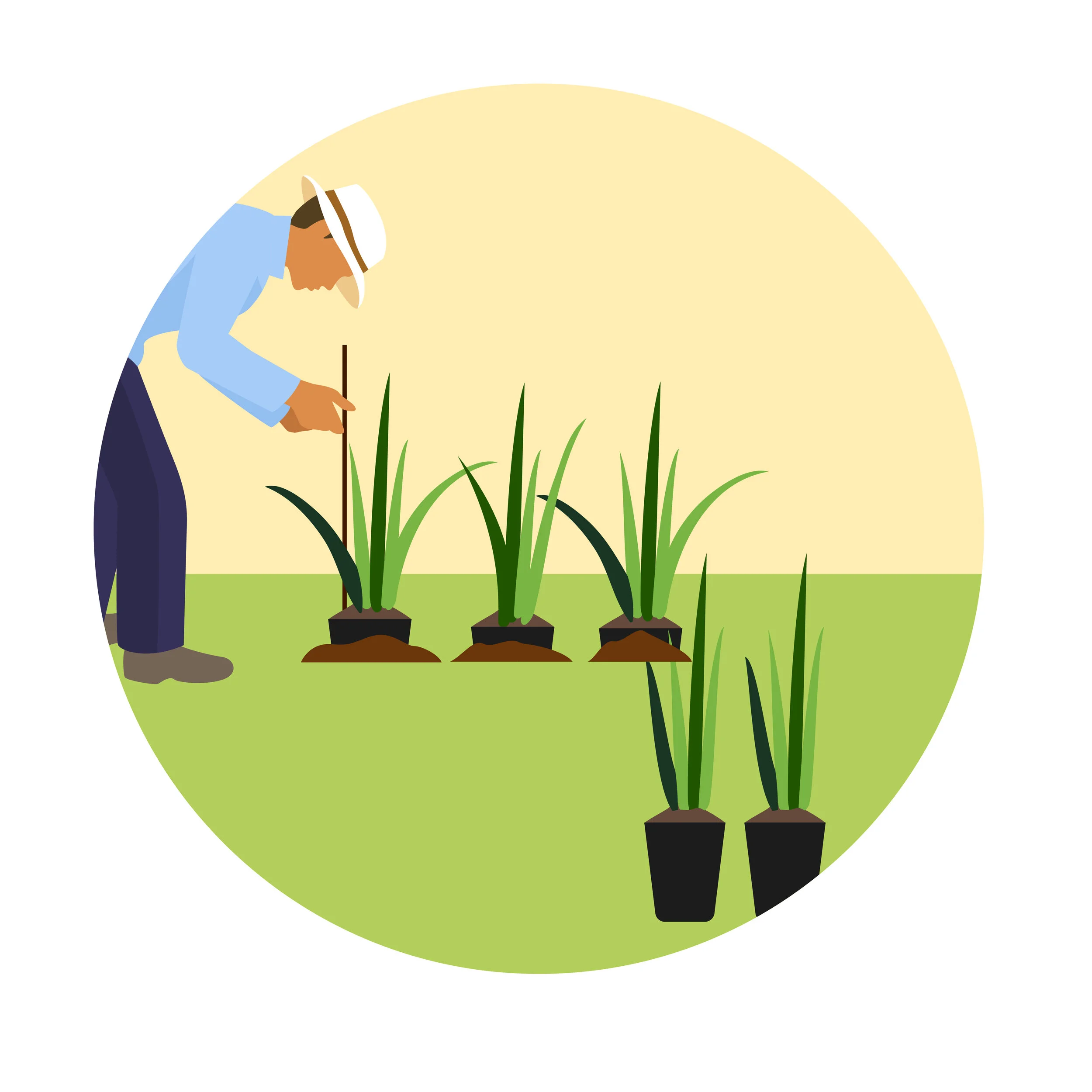
After the process of four years, the plants are ready for planting.
Why tissue culture
Propagation of healthy selected female cultivars (disease and pest-free), Bayoud resistant cultivars.
Production of genetically uniform plants, and assured sex of plant.
Gives larger quantities of fruits compared to traditionally propagated plants.
Tissue culture date palm can be planted at any season.